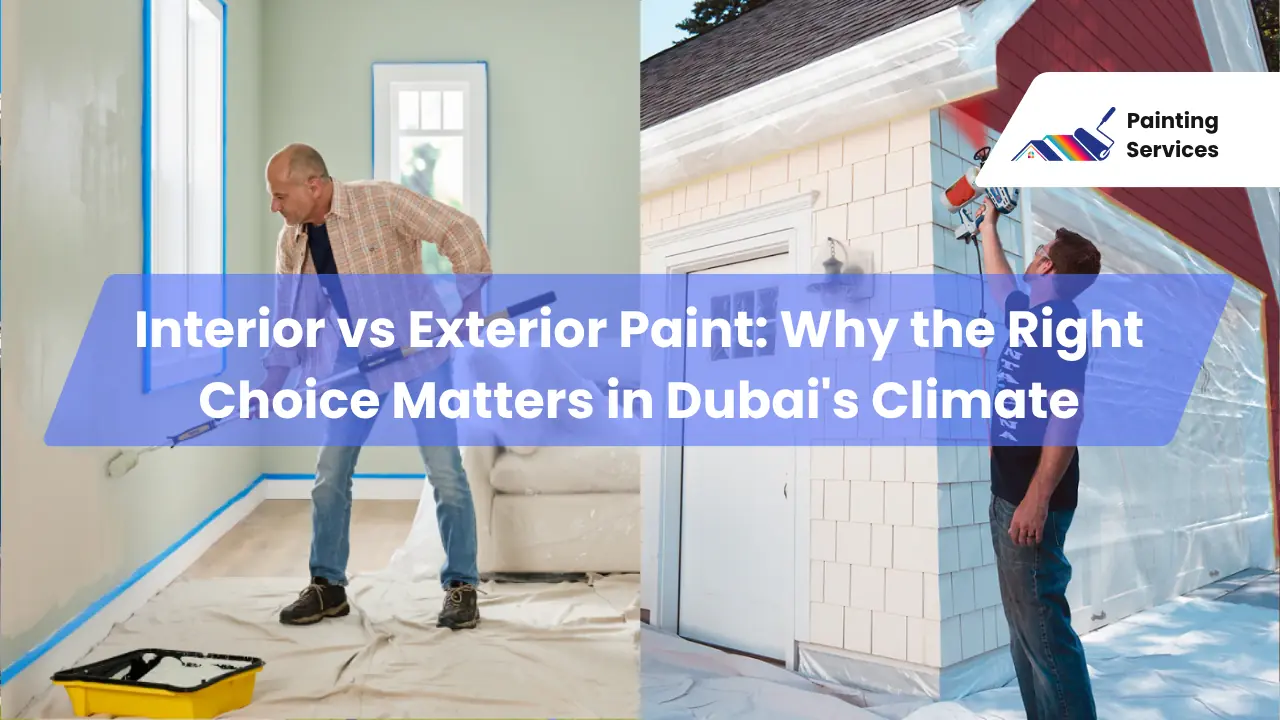

Exterior painting is one of the best ways to give a new appearance, renewed protection, and add value to your home. A fresh coat of new paint can give you outdated exteriors a new look as well as protect the walls from harsh weather elements. But exterior painting services are not all about selection of the right paint that you apply randomly. You need to have proper planning, preparation, and use specialized techniques to achieve a professional result. In the essence of this, we present top 11 practical exterior painting tips for homeowners.
Why Exterior Painting Is Important?
Exterior paint will serve both the decorative and protective purpose. A quality exterior paint job will help increase your curb appeal, protect the walls from damage, avoid moisture seepage, and increase your property value. For hot and dusty climates, exterior painting will prevent the surface wear due to high UV exposure.
Top 11 Tips To Do A Practical Exterior Painting As A Homeowner

Now without any more explaining, here are the 100 practical tips for exterior painting you can use as a homeowner.
1. Choose the Right Exterior Paint
Not all paints are made for outdoor conditions as exteriors require a specially formulated paint. It must handle the sun exposure, rain, dust, humidity, and temperature fluctuations. The ideal choices include acrylic exterior paint, weather-resistant paint, and elastomeric paint for cracked surfaces.
2. Inspect the Surface Before Painting
Prior to painting, you need to check your exterior walls and surface well. You need to look for signs of cracks, peeling paint, mold or mildew, loose plaster, surface holes, and water damage. Painting over these damaged areas will lead to paint failure early on.
3. Clean Exterior Walls Thoroughly
You need to have clean exterior surfaces for paint to properly adhere. Dust, dirt, grease, and mildew will prevent the correct bonding for the paint. You must pressure wash your exteriors with a mild detergent for cleaning and use a soft brush to clean delicate areas. Let the walls dry completely before applying the primer.
4. Repair Cracks & Damaged Areas
Any exterior wall is going to have cracks with time due to the weather changes and structural movement. Before you paint, fill these cracks with a filler and take care of any damaged plaster by sanding the rough edges. This will help create an even and professional finish to improve paint durability.
5. Use Primer for Better Results
Primer is among the most important materials for exterior painting. It results in better paint adhesion, increases durability, improves color consistency, seals any porous surface, and prevents stains from showing. A primer is important when you paint on new surfaces, change from dark to light colors, or cover any repaired surfaces.
6. Choose Weather Conditions Carefully
Weather plays a key role in exterior painting’s success. You must avoid painting during the rainy weather, extreme heat, dust storms, strong direct light, and high humidity. Painting under poor conditions will result in paint bubble, uneven drying, cracked surfaces, and less durability.
7. Invest in Quality Painting Tools
You must never make use of low-quality painting tools as they leave uneven finishes with visible brush marks. You must always use high-end rollers, professional brushes, paint sprayers, and a durable masking tape. Any good tool will improve the painting efficiency, reduce the paint wear, and allows for smoother finish.
8. Test Paint Colors Before Full Application
Paint color will appear different outdoors due to high-intensity sunshine, shadow variations, and the nearby architecture. Before you paint the entire house, you need to first test a small sample of it on a small area. Observe these paint colors during different times of the day and see the appearance under the shade and sunlight. This prevents you from making any costly mistakes.
9. Apply Multiple Thin Coats Instead of One Thick Coat
Most homeowners will try to save time by applying a thick layer of paint. A thick coat will instead result in drips, uneven drying, peeling, and cracking. You must apply two or more thin coats and let there be a proper drying time between different layers. This layer will allow for better adhesion with a smoother texture.
10. Protect Windows, Doors & Landscaping
An exterior paint can become messy very quickly without proper preparation. Before you do the painting, you must cover the windows and doors, protect the plants and landscaping, and lay down drop cloths.
11. Schedule Regular Maintenance & Touch-Ups
Your exterior paint is always exposed to UV rays, dust, rain, pollution, and moisture. You need to do regular maintenance to preserve the finish better and longer. A small touchup from time to time will prevent any large repainting project later.
Final Thoughts
Exterior painting is one of the best investments a homeowner can make to improve the appearance and protection of their home. A well-performed painting service will make your home visually appealing but also protect it from weather damages. These top 11 practical exterior tips for homeowners will save you not just time but money in the long run. So, whether you refresh your; home’s appearance or preparing it for selling; its best to get exterior painting that adds a lasting value.