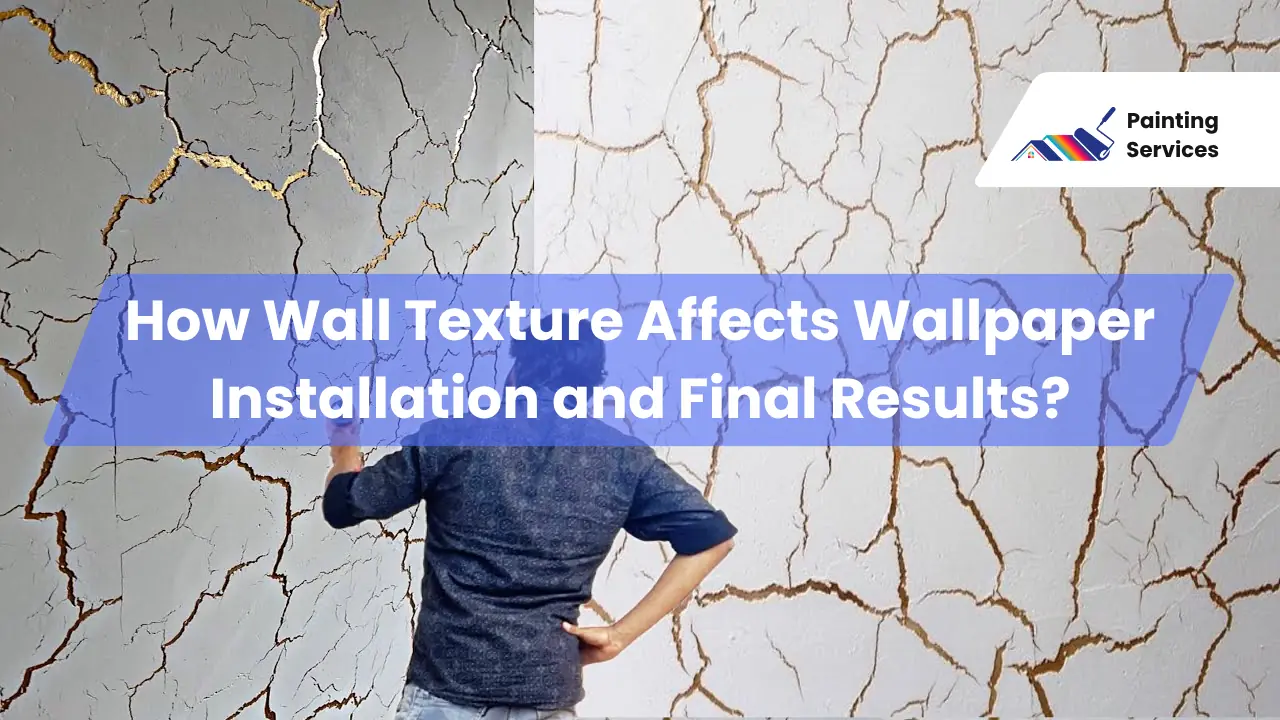
Wallpaper is among the interior fit-out solutions that help change an interior space with minimal effort. It gives your living space that character, style, and visual appeal that paint cannot achieve. The problem is that homeowners now focus on choosing only the right wallpaper design. They overlook an important factor, such as the condition and texture of the wall under it. Today, we will tell you in detail about how wall texture affects wallpaper installation and final results.
Why Wall Preparation Matters?
Wallpaper is designed to attach directly to the wall surface. Any imperfection underneath the wallpaper will be visible after fitting. A well-prepared wall will result in better adhesion, a smoother finish, prevent peeling issues, and improve the wallpaper’s lifespan. Most issues with wallpapers can be tracked to the subpar wall preparation instead of the wallpaper.
Know Different Wall Textures In Detail
Walls are not always smooth, and the consultation method, along with finishing material, will cause the surface to vary. There are a variety of wall textures, such as:
- Smooth Plastered Walls
- Orange peel Texture
- Knockdown Texture,
- Decorative Textured Finishes
- Sand Texture Walls
1. Smooth Walls: The Ideal Surface
Smooth walls are the best choice for a wallpaper fitting. The benefits of these wallpapers is that they result in better adhesion for a faster fitting. You get a cleaner pattern matching with fewer imperfections and long-term results.
2. Rough Textured Walls Can Show Through Wallpaper
Among the many challenges for textured walls, one is that the texture remains visible even after you fix the wallpaper. There will be signs like raised bumps, surface ridges, and heavy texture patterns. All these will create shadows & distortion beneath your wallpaper. Even thick wallpaper won’t be able to hide these aggressive textures.
3. Thin Wallpaper Is More Affected by Texture
Not all wallpapers will perform well on textured wall surfaces. Thin wallpapers are going to reveal wall imperfections, show bumps underneath, and highlight surface defects. Light colored wallpapers are quite susceptible to showing shadows that are created by the wall texture. A premium wallpaper will help you achieve the ideal appearance when it is fitted on smooth surfaces.
4. Heavy Wallpaper Can Hide Minor Imperfections
Some wallpaper types are suited for walls that have slight textures. These include options like vinyl wallpaper, texture wallpaper, embossed wallpaper, and fabric-backed wallpaper. All these materials are thick and will hide the small irregularities on the wall surface. But even the heavy wallpaper has its limitations when the walls are heavily textured.
5. Uneven Walls Affect Wallpaper Adhesion
Wall texture is never going to affect the appearance; it will impact how well a wallpaper’s going to stick to the wall. Wallpaper adhesive will perform best when they make contact with the surface. A rough wall causes adhesion to be inconsistent, corners might lift, and edges may peel over time.
6. Texture Can Complicate Pattern Alignment
Many wallpapers will feature geometric designs, floral patterns, and repeating motifs. Poor alignment is ideal for a seam-free appearance. A textured wall makes it all difficult because the wallpaper may not sit flat, surface variation causes the shifts in patterns, and seams become much more visible.
7. Cracks and Surface Imperfections Become More Visible
Wallpaper is not always the solution for your damaged walls. There are different wall defects like hairline cracks, dents, holes, and uneven plaster patches. These issues need to be fixed before you install the wallpaper, so they become visible.
8. Painted Texture Can Create Installation Challenges
Most homes have textured paint finishes that will add a visual appeal, but if that paint is heavily textured, it will cause issues for wallpaper fitting. Problems will include limited adhesive bonding, texture beneath the wallpaper to be visible, and difficulty in wallpaper removal.
How Professionals Prepare Textured Walls?
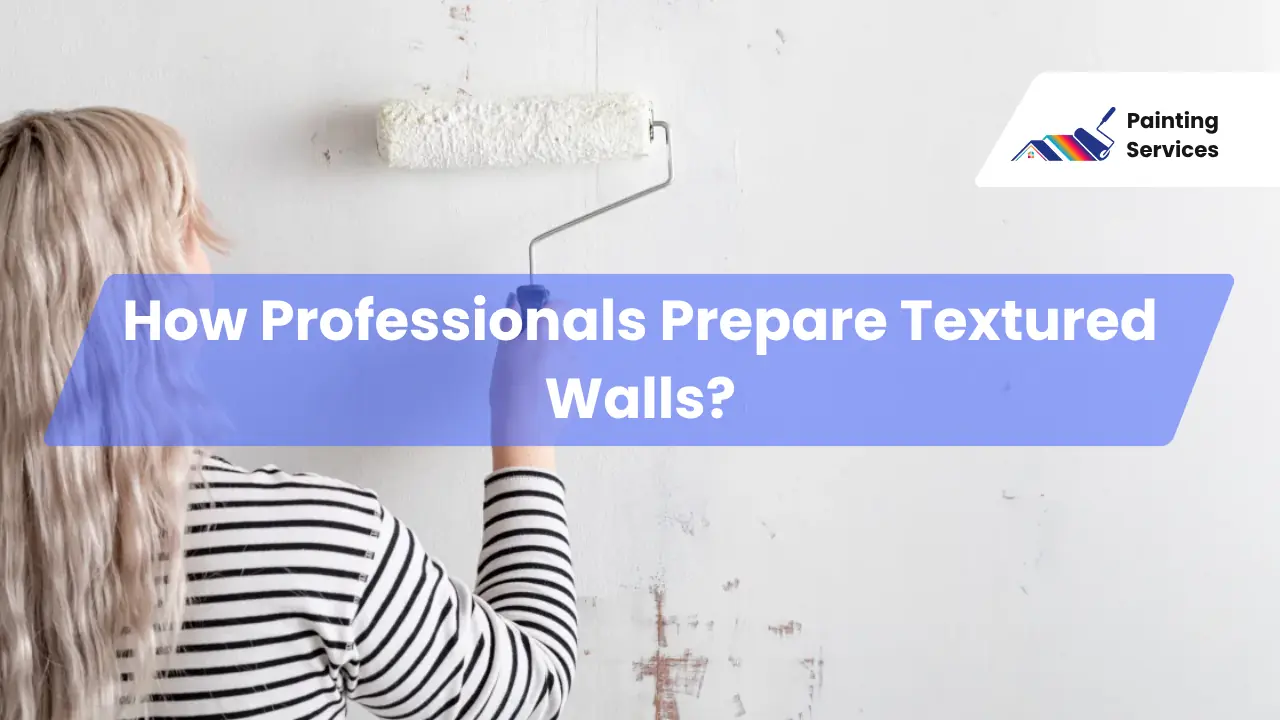
An experienced wallpaper fitter will not apply the wallpaper directly on the rough surfaces; instead, they will do it in the following steps.
1. Surface
Walls are first cleaned to remove any dust, dirt, grease, and loose particles. A cleaner surface will result in better adhesive bonding.
2. Filling Cracks and Holes
Any damaged wall area will be repaired with joint compound, wall filler, and plaster repair products. This will result in a more consistent surface.
3. Sanding
Sanding will help remove rough spots, smooth surface texture, and increase wallpaper adhesion. This step is important in the case of textured painted walls.
4. Skim Coating
For heavily textured walls, you might need to apply a skim coat of paint. A skim coat is like a thin layer of a finishing compound to smooth the paint-ready surface.
Final Thoughts
Wall textures have a huge impact on the successful fitting of any wallpaper. Even if the wallpaper is of high quality, it will still fail to achieve its potential if it’s not fitted on a smooth wall. Rough textures, cracks, bumps, and uneven finishes will affect the adhesion and the durability. You can either renovate a single room or redesign the entire property with wallpaper. You need to prepare the walls to achieve a professional quality result.