You want to keep your indoor spaces cool and comfortable, especially if you live in a place that sees a lot of summer and intense sunlight. Yes, air conditioning will cover up much of that heat, but most homeowners will overlook the wall finishes for heat absorption and overall comfort. One of the popular choices for indoor thermal insulation is heat-resistant paints. These paints are designed to reduce any heat buildup and allow better energy efficiency. If you are planning on choosing heat-resistant paint for cooler indoor spaces, our guide today will guide you better.
What Is Heat-Resistant Paint?
Heat-resistant paint is a special formulation of coating that is designed to withstand high temperatures instead of conventional paints. These heat-resistant paints are manufactured for high-temperature or industrial applications. Still, many of these interior coatings will reduce heat transfer and heat for homes. These paints come with reflective pigments, thermal insulating additives, and UV-resistant components.
Why Indoor Heat Control Matters?
Excessive indoor heat will have an effect on your overall living comfort, energy consumption, AC efficiency, and furniture lifespan. In a home that has large windows, sun-facing walls, or poor insulation, heat buildup is a major issue. These paints will reduce the level of heat entering and getting trapped in your rooms. Painting Services Dubai can further improve the effectiveness of heat-resistant paints by following specialized surface preparation methods, correct application techniques, and a proven painting process for long-lasting results.
Benefits of Heat-Resistant Paint
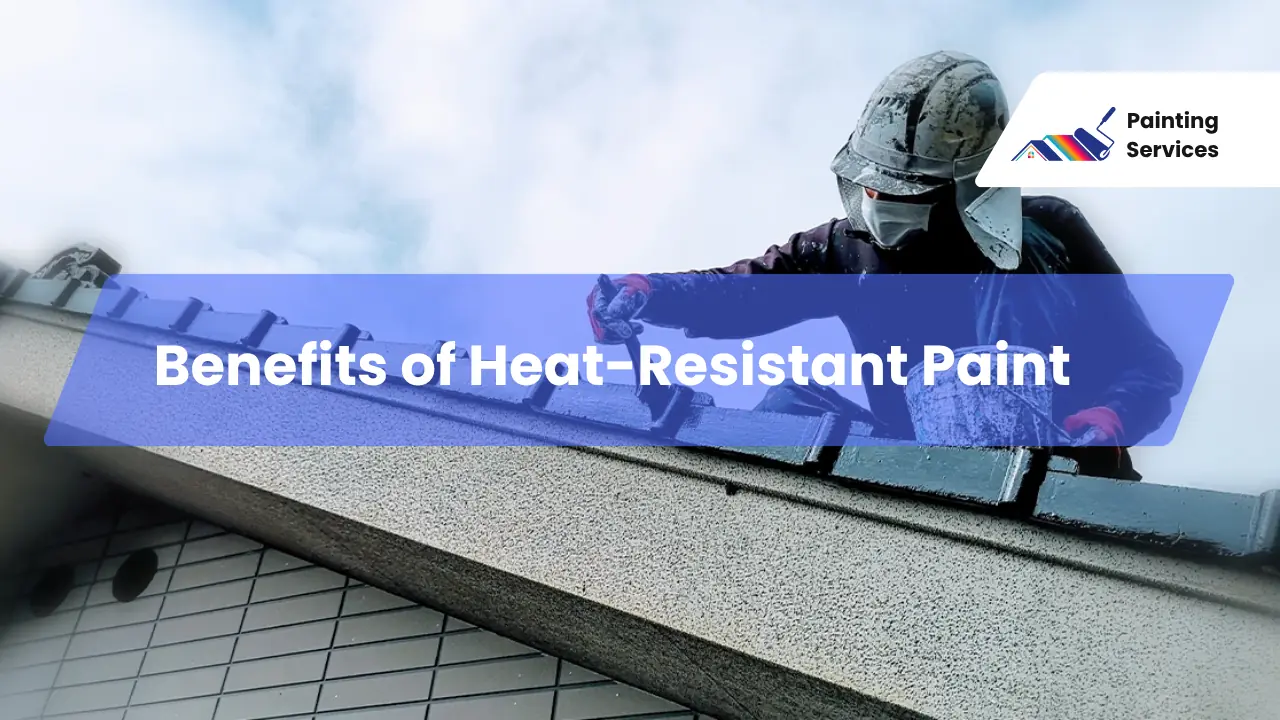
When you choose the right heat-resistant paint, it offers you several advantages.
1. Improved Indoor Comfort
Among the many benefits is that you get less heat absorption by walls and ceilings. This will help you maintain a stable room temperature, reduce any hot spots, and increase your overall living comfort. The rooms will feel more pleasant during the warmer months.
2. Better Energy Efficiency
When an indoor space remains cooler, the AC systems will not need to work as hard. The benefits included are low energy consumption, lower cooling costs, and better HVAC efficiency. The white paint alone will not replace the insulation, but it will help with overall energy savings.
3. Increased Surface Protection
These paints are designed to resist issues like cracking, peeling, fading, and any other heat-related deterioration. Use of such paints will help you maintain a fresh appearance for a longer period of time.
4. Longer Paint Lifespan
Traditional paints will degrade rather quickly when they are exposed to temperature fluctuations. These coatings will provide you with better durability, increased cooling retention, and less need for maintenance as you will need to repaint less.
Understanding Different Types of Heat-Resistant Paint
Not all of these heat-resistant paints are going to serve the same purpose. Choosing the right type of such paint will depend on your location and the intended use.
1. Reflective Interior Paint
Reflective paints are designed to bounce off a portion of heat instead of absorbing it. With this, you get lower surface temperatures, better indoor comfort, and higher energy performance. They are recommended for use on walls that are directly exposed to sunlight.
2. Ceramic-Based Thermal Paint
Ceramic paints have microscopic ceramic particles in them that prevent the heat transfer. This gives them increased insulation properties, better temperature regulation, and longer durability. These paints are now becoming more popular for modern residential projects.
3. Acrylic Heat-Resistant Paint
Acrylic-based formulations are known to offer better flexibility and durability. They are ideal because of their good adhesion, moisture resistance, smooth finish, and UV protection. They are used for both home and commercial interior repainting.
Choose Light Colors for Better Heat Reflection
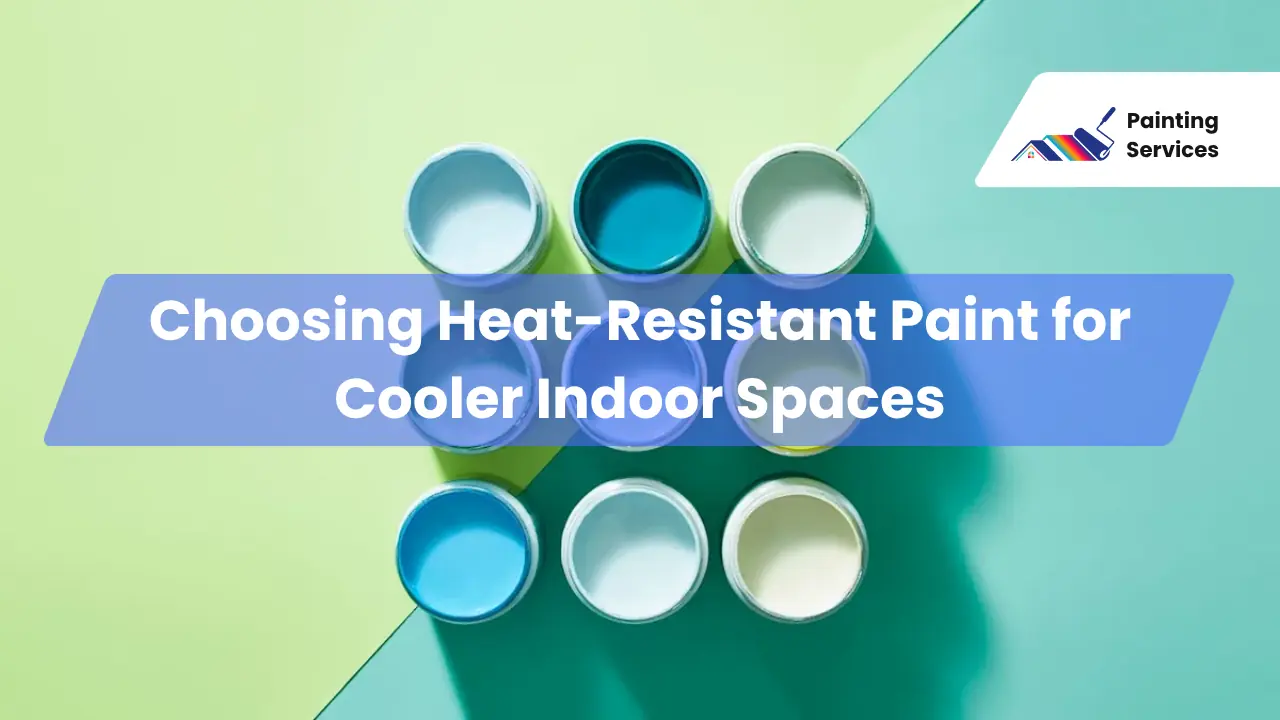
The colors of the paint have a huge impact on the heat absorption. Lighter paint colors will reflect heat more in comparison to darker shades. Popular heat reflective paint colors include white, off-white, light beige, cream, pale blue, and soft grey. Darker paint colors will absorb more heat and will result in warmer wall surfaces.
Check the Paint’s Reflectivity Rating
Many of the premium-grade heat-resistant paints will have technical performance specifications. You need to look for features like solar reflectance, thermal insulation properties, energy-saving performance, and UV-resistance. A higher reflective rating will be an indicator for better heat-reduction capability.
Pair Paint with Other Cooling Solutions
A heat-resistant paint certainly contributes towards cooler interiors, but the best results will come from having multiple strategies in a paint job. You need to pair heat-resistant paints with:
- Reflective window film
- Proper ventilation
- Roof insulation
- Energy-efficient windows
- Insulated curtains
Final Thoughts
Choosing the heat-resistant paint for cooler indoor spaces is certainly a smart investment for modern homeowners. This way, they can improve their indoor living comfort, reduce any heat buildup, and improve the energy efficiency. It might not replace the right insulation or climate-control systems; it will still play a major role in creating your cooler and more comfortable living spaces.